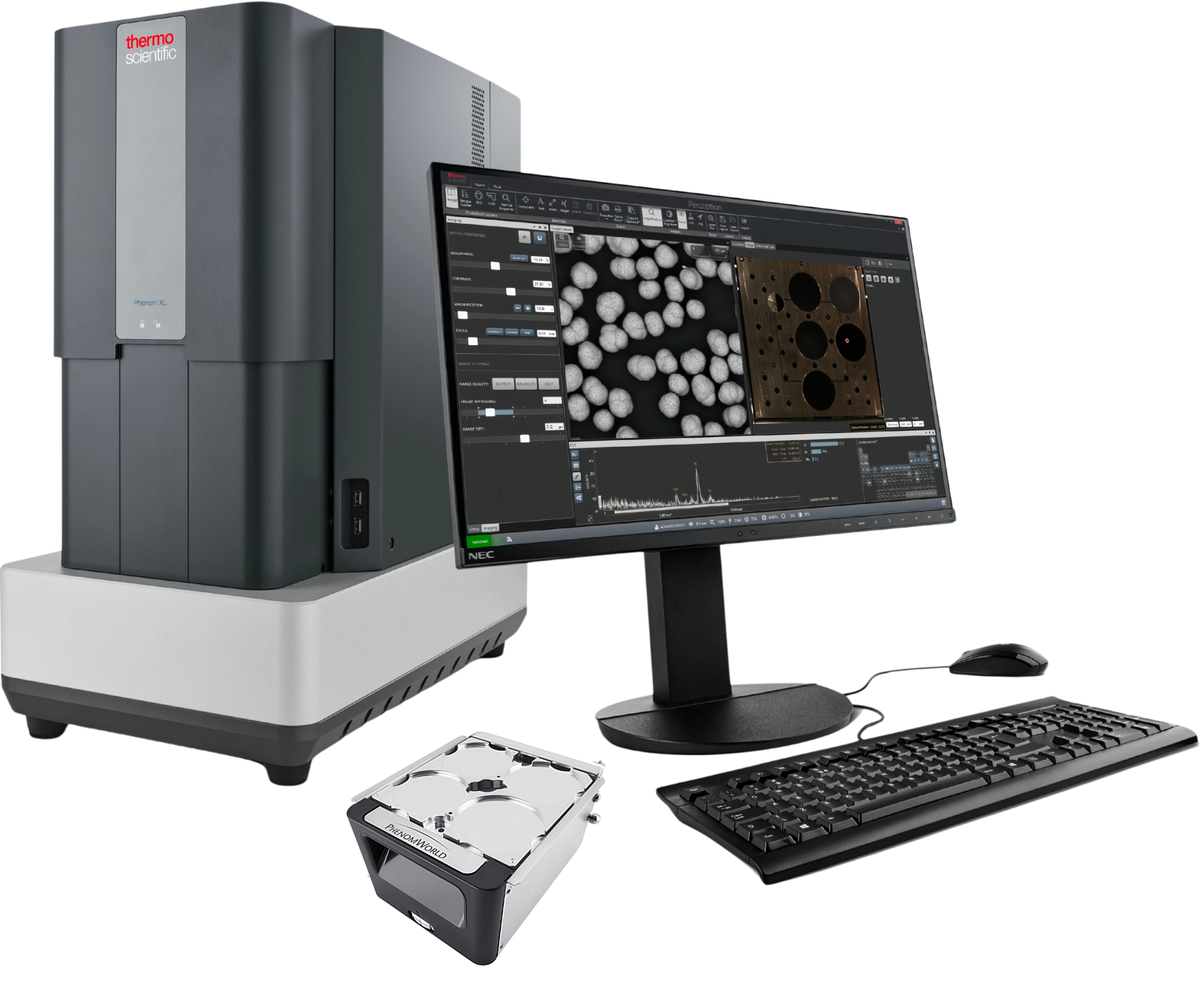

In high-end manufacturing sectors — lithium batteries, automotive, steel, and semiconductors — micron-scale particles and non-metallic inclusions have become critical factors affecting reliability, yield, and product lifetime. Cleanliness is no longer just a testing parameter; it is a fundamental component of core competitiveness. Scientific equipment selection determines the upper limit of quality assurance.
1. Lithium Battery Cleanliness Control — ParticleX Battery
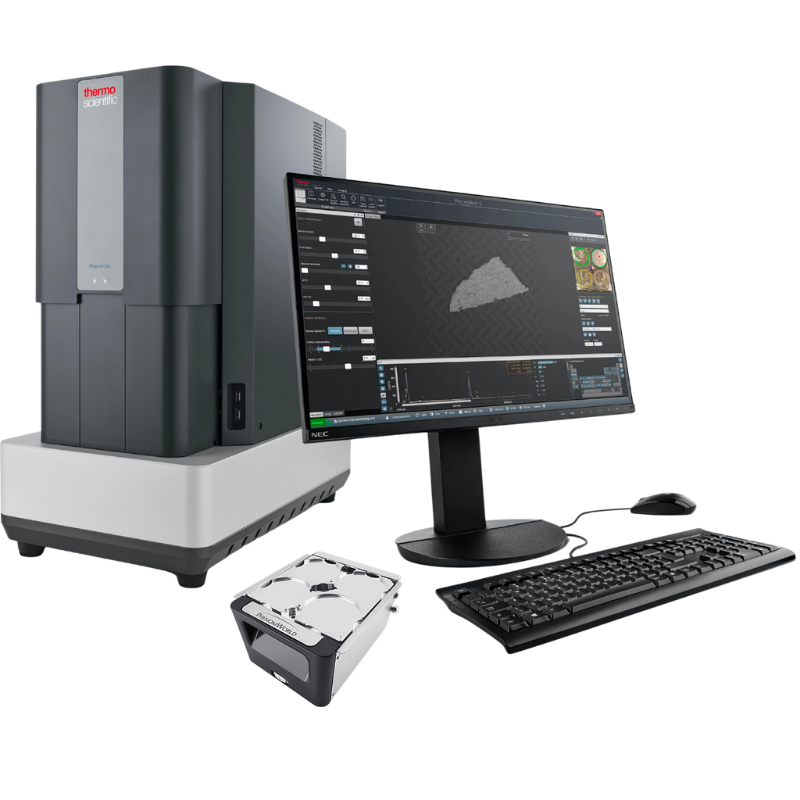
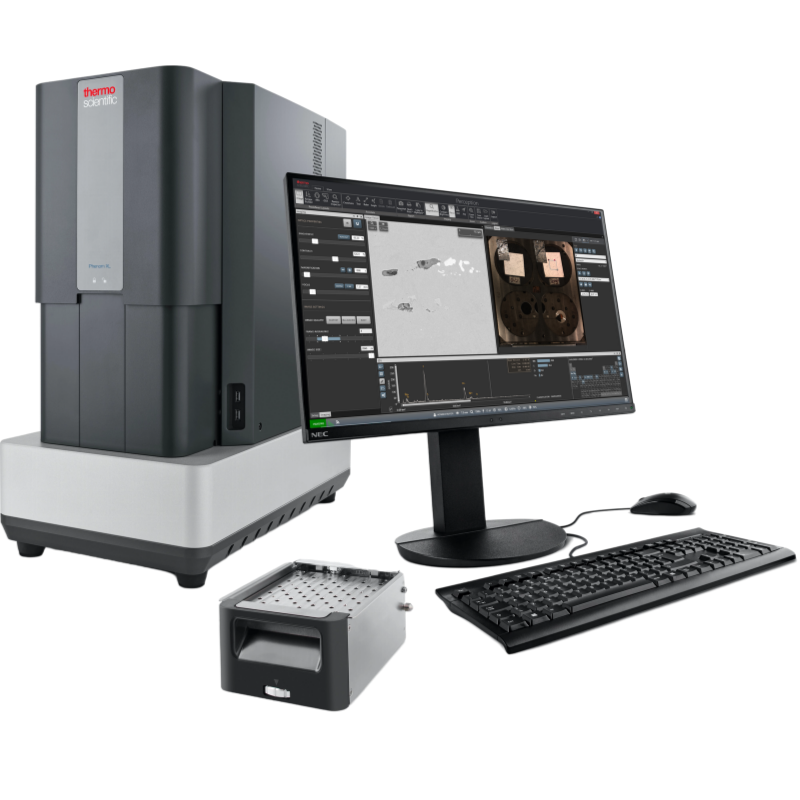
Metal contaminants (copper, zinc, iron, etc.) in lithium batteries can cause serious safety incidents, making metal contaminant control an industry-wide priority. ParticleX Battery, based on SEM+EDS methodology, provides the fully automated metal contaminant analysis that has become the industry standard. The system automatically identifies, analyzes, classifies, and statistically reports on metal contaminant particles, enabling comprehensive quality control from raw materials through cell production.
2. Automotive Cleanliness — Particle AC & Micro Quick
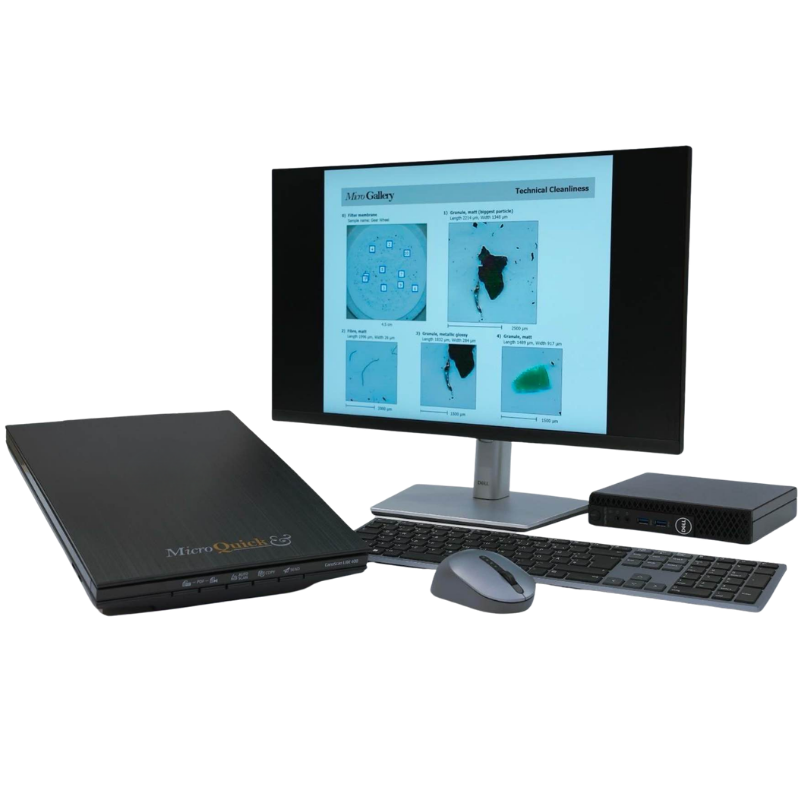
Automotive technical cleanliness (per VDA 19.1 / ISO 16232) requires both particle quantification and — increasingly — particle composition analysis. Particle AC delivers the full SEM-EDS workflow for hard particle detection and compositional analysis, while Micro Quick provides ultra-fast optical particle scanning for high-throughput production monitoring. The appropriate choice depends on whether compositional analysis is required for the specific application.
3. Steel Inclusion Analysis — ParticleX Steel
Non-metallic inclusions determine the fatigue life, toughness, and reliability of steel components. ParticleX Steel provides automated SEM-EDS inclusion analysis compliant with ASTM E2142-E45 and GB/T 30384, with 7×24h unattended operation capability. For steel producers targeting high-value clean steel markets, automated inclusion analysis is essential for both process optimization and quality certification.
4. Semiconductor Surface Cleanliness — Fastmicro SAS
Semiconductor equipment components, assemblies, and cleaned parts require surface particle verification at sub-micron sensitivity. Fastmicro SAS provides surface sampling and rapid scanning technology for complex surfaces that cannot be placed directly into large inspection systems. The system delivers quantifiable, traceable surface particle inspection data essential for contamination control in semiconductor supply chains.
5. Magnetic Foreign Material Extraction — Mag IA
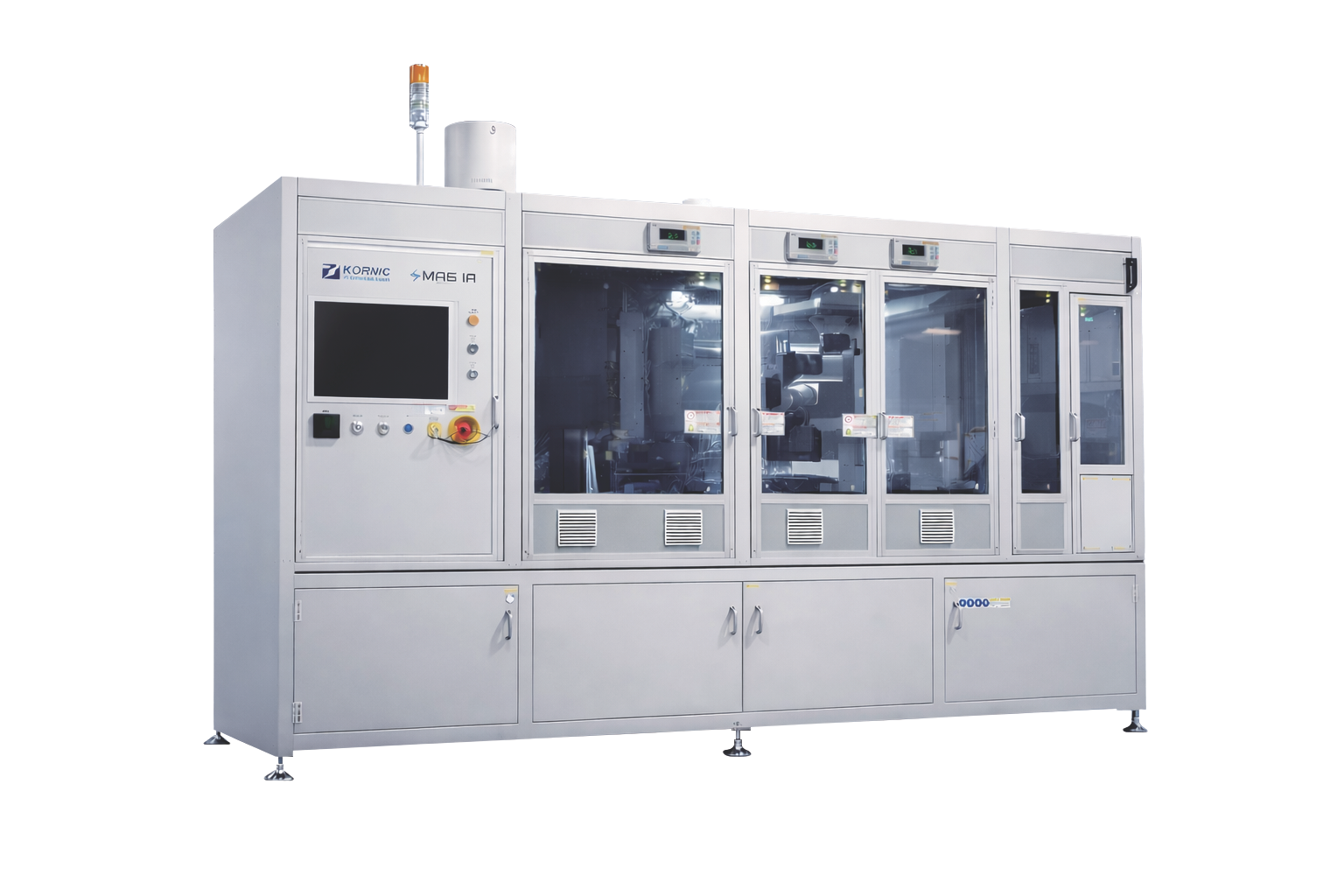
For battery material quality control, Mag IA provides fully automated extraction of magnetic foreign particles (Fe/Cr/Ni) from NMC, LFP, and precursor materials. The system delivers clean, concentrated samples for downstream ICP or SEM analysis, enabling quantitative assessment of magnetic contamination levels in battery raw materials.
Selection Guide Summary
The key to scientific equipment selection is matching analytical capability to the specific contamination risk profile: if you need to distinguish hard particles (cause wear) from soft particles (benign), you need compositional analysis (SEM-EDS). If you need to detect and classify metal contaminants in battery materials, you need automated SEM-EDS with metal-specific classification. If you need to verify surface cleanliness on complex geometries, you need a surface sampling and scanning solution. The right equipment choice is the foundation of an effective cleanliness management system.