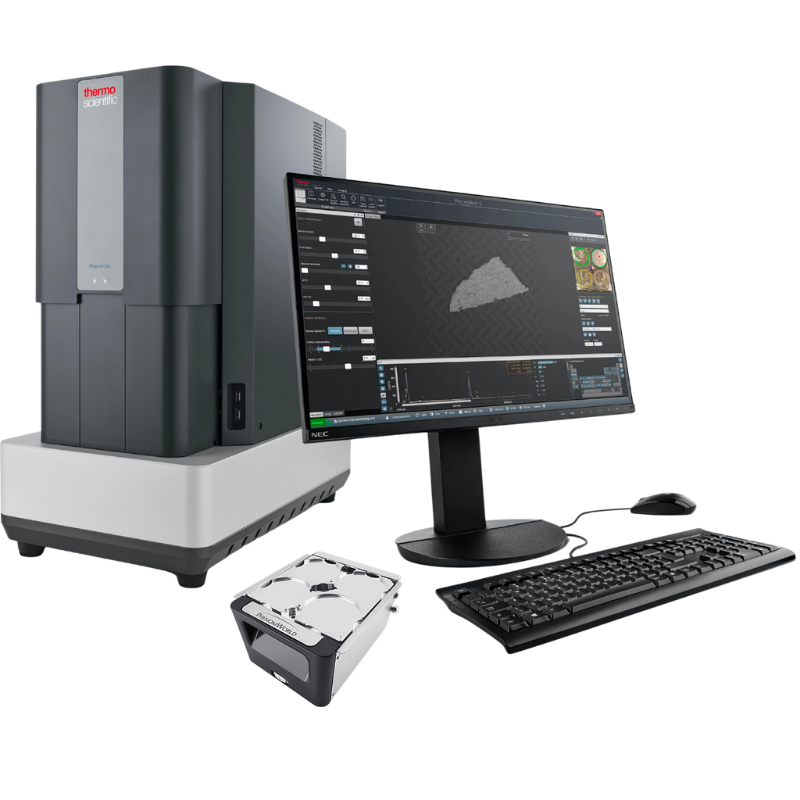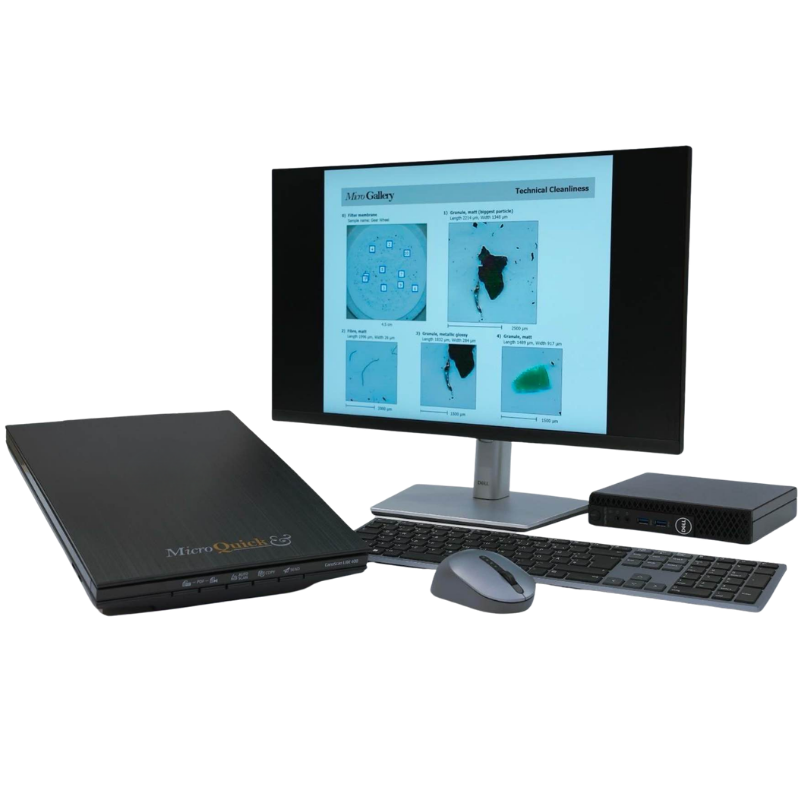

Driven by the dual forces of electrification and intelligent technology, the automotive industry is undergoing a profound reshaping of its industrial landscape, bringing unprecedented new challenges to traditional component manufacturing and assembly cleanliness standards. In core component domains such as battery systems, electric motor assemblies, and lightweight structural components, product tolerance for particulate contaminants has been dramatically reduced. Meanwhile, automated assembly technologies and high-precision sensors in smart manufacturing systems demand ever more stringent cleanliness control.
VDA 19.1 2025: A New Chapter in Cleanliness Standards
The 2025 revision of VDA 19.1 represents a significant evolution in technical cleanliness inspection methodology. Among the most notable changes is the explicit inclusion and detailed specification of SEM/EDX (Scanning Electron Microscopy with Energy Dispersive X-ray spectroscopy) as an analytical method for cleanliness inspection.
Key new requirements include:
1. Particle Composition Analysis: For critical applications, the standard now recommends or requires compositional analysis of contaminant particles using SEM/EDX to distinguish hard, potentially damaging particles from benign ones.
2. Hard Particle Identification: Specific requirements for the identification and reporting of hard particles (e.g., corundum/Al₂O₃, silica/SiO₂, hard metals) that pose the greatest abrasion risk.
3. Source Tracing: The standard emphasizes the use of compositional data for contamination source identification and elimination, shifting the focus from detection alone to root-cause resolution.
4. Documentation and Traceability: Enhanced requirements for documenting particle analysis results, including SEM images and EDS spectra, for quality records and supplier communication.
Implications for the Industry
The incorporation of SEM/EDX into VDA 19.1 signals the industry's recognition that traditional optical microscopy alone is no longer sufficient for modern cleanliness requirements. For automotive manufacturers and their supply chains, this evolution means that investment in SEM-EDS-based cleanliness analysis capabilities is becoming not just advantageous but essential for compliance with the latest standards and customer requirements.