
A Revolutionary Transformation in Semiconductor Cleanliness Standards: From Airborne Cleanliness to Surface Cleanliness
As semiconductor manufacturing processes advance toward 3nm, 2nm, and beyond, micro-particle contamination control has become a decisive factor in product yield. The SEMI E195 standard recently introduced by the Semiconductor Equipment and Materials International (SEMI) marks a fundamental shift in the industry's approach to cleanliness management — evolving from traditional airborne particle monitoring to the monitoring of particle deposition on equipment surfaces.
Understanding SEMI E195
SEMI E195 represents a paradigm shift in semiconductor cleanliness standards. The key insight driving this change is that airborne particle counts alone do not adequately represent the contamination risk to wafers — what matters is whether particles actually deposit onto critical surfaces within the process environment. The standard therefore specifies requirements for measuring and controlling surface particle contamination, particularly on equipment surfaces in proximity to wafers.
Funa Technology's Dual-Engine Solution
Funa Technology (复纳科技) addresses the SEMI E195 challenge through an integrated two-technology approach:
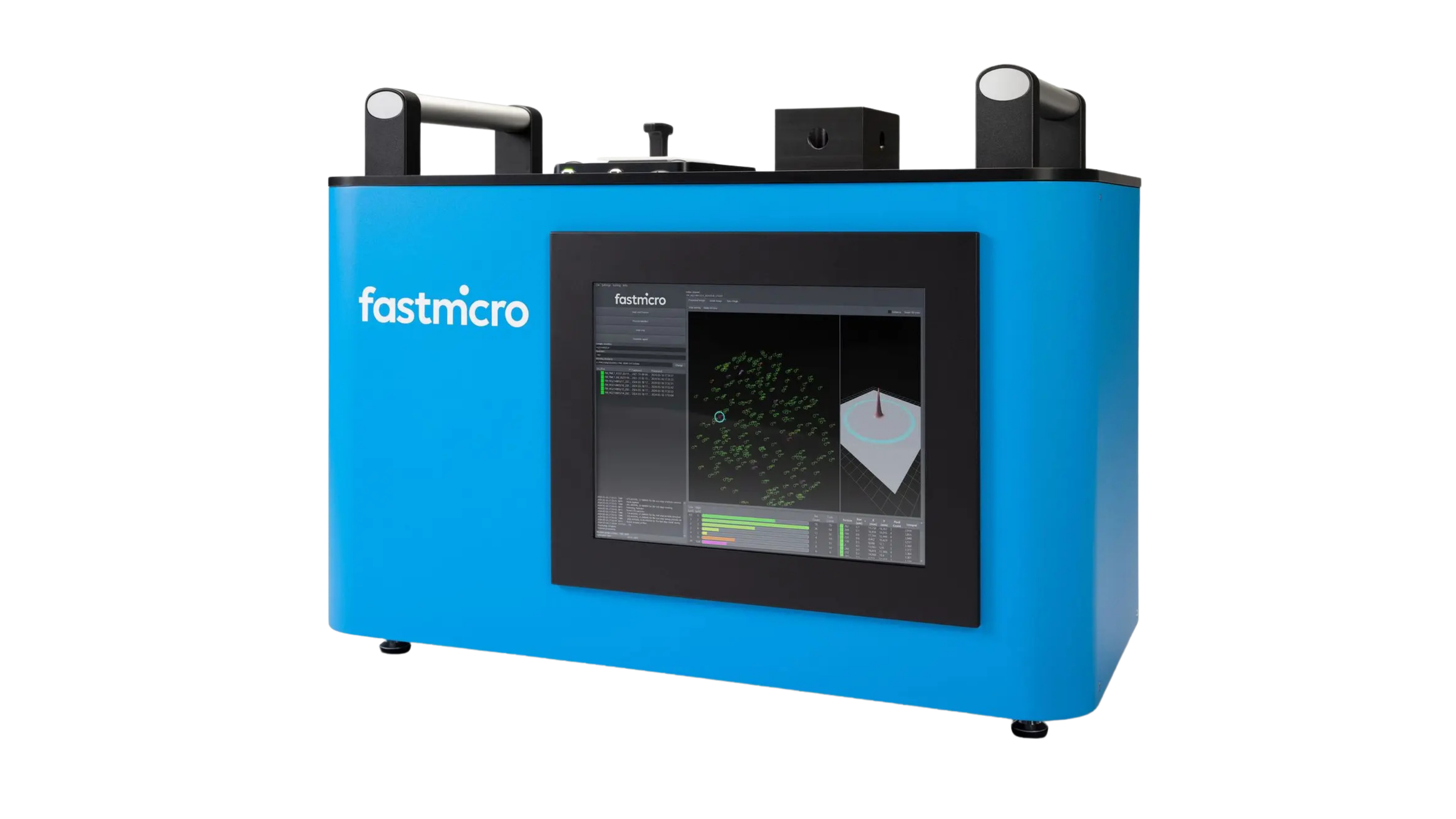
Engine 1 — Surface Particle Detection (Fastmicro SAS): For direct measurement of surface particle contamination on equipment components, assemblies, and critical surfaces. The SAS system provides quantitative, high-resolution particle detection on complex surfaces through its patented surface sampling + rapid scanning technology.
Engine 2 — Particle Deposition Monitoring (PFS): For monitoring the rate at which particles deposit onto critical surfaces over time. The PFS system provides continuous or periodic measurement of particle deposition rates, enabling the assessment of contamination risk in real process environments and the validation of cleanliness control measures.
A Comprehensive Compliance Strategy
Together, these two technologies provide a comprehensive framework for SEMI E195 compliance: surface particle detection for verifying the cleanliness state of equipment and components, and deposition monitoring for understanding and controlling the dynamic contamination environment. This dual-engine approach enables semiconductor manufacturers and equipment suppliers to move from reactive contamination response to proactive cleanliness management — an essential capability for maintaining yield and reliability at the most advanced technology nodes.