
1. New Requirements for Technical Cleanliness
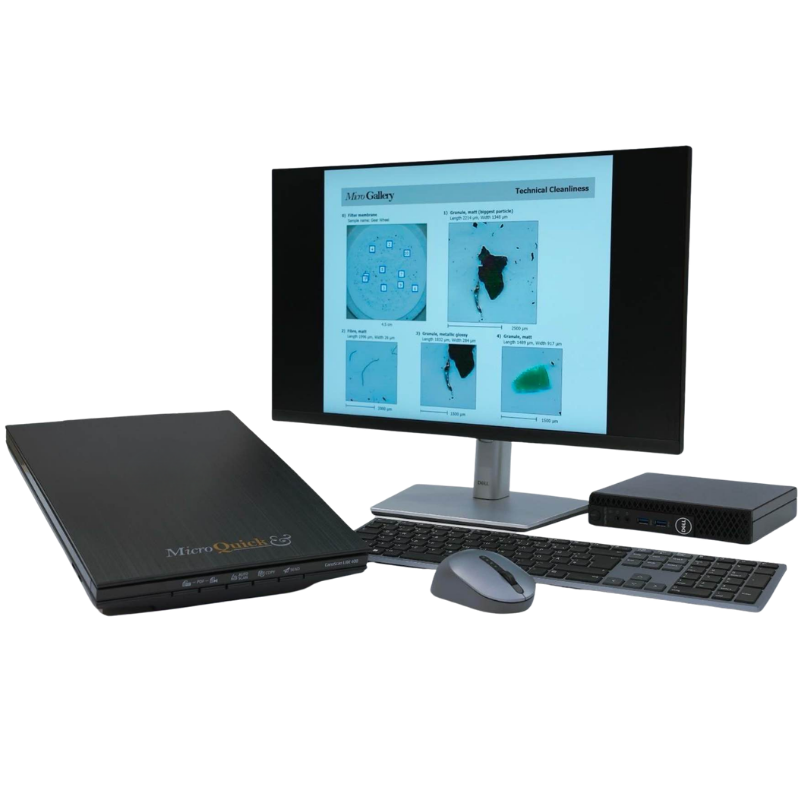
Technical Cleanliness (TC) is a critical quality control parameter in the automotive and high-end precision manufacturing sectors, directly affecting component wear rates, service life, failure risk, and overall equipment reliability, stability, and downtime. As automotive electrification, intelligence, and the precision demands of high-end equipment manufacturing continue to advance, micro-particle contamination has an increasingly severe impact on the performance of critical components.
2. The Hard Particle Challenge
Among all contaminant types, hard particles — typically ceramic materials such as corundum (Al₂O₃), silica (SiO₂), silicon carbide (SiC), and hard metal fragments — pose the greatest risk. These particles are significantly harder than the engineering alloys used in precision components and can cause severe abrasive wear, leading to:
- Accelerated wear of bearing surfaces and precision fits
- Blockage of small orifices and channels in fluid systems
- Electrical short circuits in electronic and sensor components
- Reduced fatigue life due to surface damage acting as crack initiation sites
3. The Solution: Automated SEM-EDS Particle Analysis
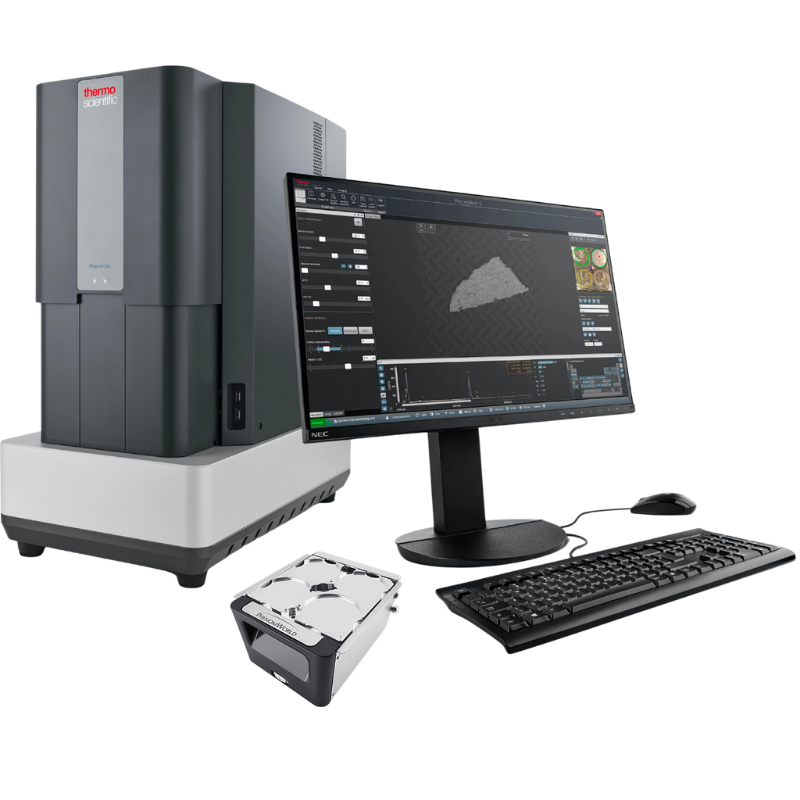
Particle AC addresses the hard particle challenge through fully automated SEM-EDS analysis:
Step 1 — Automated Particle Detection: The entire filter membrane is scanned, and all particles are automatically detected using BSE contrast, regardless of optical properties.
Step 2 — Morphological Characterization: For each particle, size (length, width, area), shape parameters, and coordinates are recorded.
Step 3 — EDS Compositional Analysis: The elemental composition of each particle is automatically determined, enabling clear identification of hard particles (Al₂O₃, SiO₂, etc.) versus softer contaminants.
Step 4 — Source Tracing: Compositional data provides evidence for contamination source investigation — alumina from blasting or grinding media, silica from sand casting residues, specific metal alloys from machining operations, etc. This enables targeted corrective action rather than general cleaning efforts.
The integration of automated particle detection with compositional analysis transforms cleanliness inspection from a pass/fail test into a diagnostic tool for continuous quality improvement and contamination source elimination.